National Forest Foundation: Water Benefits Tool

The National Forest Foundation (NFF), chartered by Congress, was created with a clear mission: to bring people together to restore and enhance our National Forests and Grasslands. A core part of this work involves improving watershed health through reforestation and ecological restoration. To support these efforts, SymGEO is proud to partner with NFF on the development of the Water Benefits Tool (WBT), a GIS-powered system that helps quantify how restoration projects benefit water resources across National Forests.

A Simple, Powerful Start

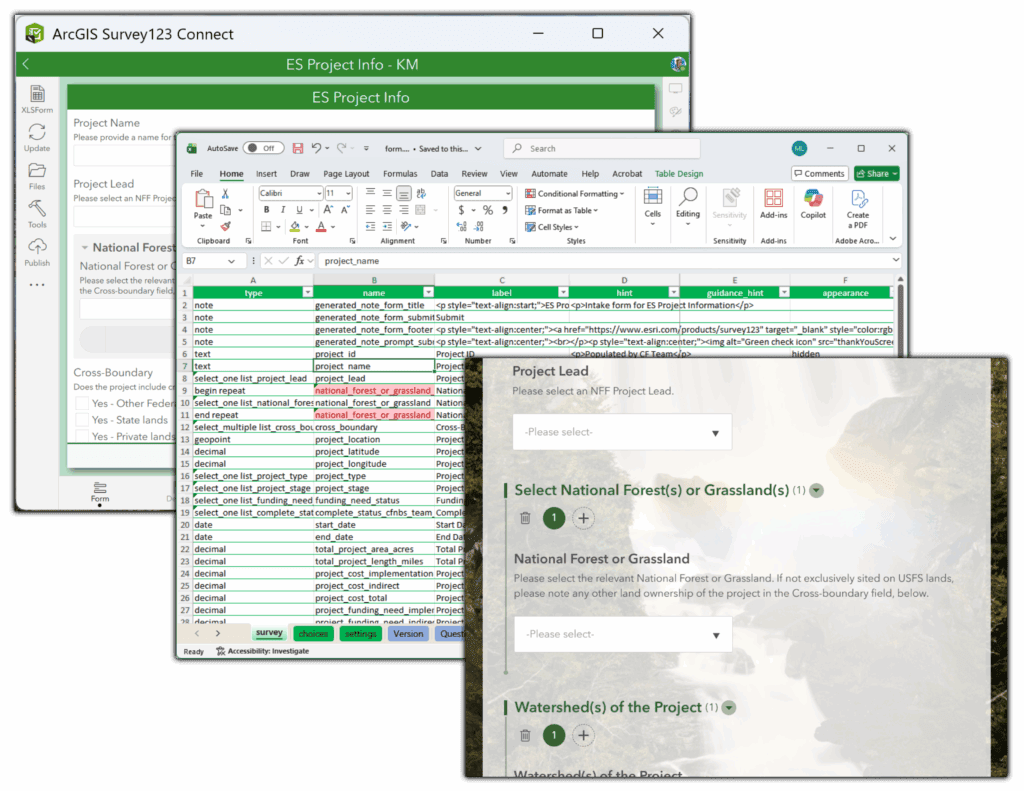
In Phase 1 of this multi-year effort, SymGEO partnered with NFF to develop the tool’s first major component: a streamlined Survey123 form built in ArcGIS Survey123 Connect. The form gives NFF staff a simple, consistent way to capture the key details needed to estimate the volumetric water benefits (VWBs) of restoration activities, including increased inundation, groundwater recharge, and reduced water consumption, which are essential inputs for project-level fundraising.

The tool references online data sources, including soil information and custom look-up tables to pre-populate values automatically, saving time and improving consistency.

Bringing Science and GIS Together

Behind the scenes, NFF’s guidance documentation and calculation workflows provided the scientific framework for how VWBs should be estimated. SymGEO translated this guidance into a modern GIS workflow using:

  • ArcGIS Survey123 Connect for field and office data collection and advanced calculations
  • ArcGIS Online for sharing, analysis, and future dashboard integration

This combination ensures that the information collected today can seamlessly support more advanced analysis and reporting in future phases.

Preparing for the Full Water Benefits Tool

While Phase 1 focused on building the core data-collection engine, later phases will expand the system into a complete project dashboard where staff can:

  • View and filter projects
  • Track budgets, sponsors, and project status
  • See recommended VWB calculation methods
  • Monitor implementation and performance over time

The work completed in Phase 1 sets the foundation for this vision, ensuring the data and workflows are structured for easy expansion.

Overcoming Challenges, Building Momentum

As with any innovative GIS solution, the project required creative problem-solving. Survey123’s technical constraints prompted smart refinements to the workflow, new decision-support needs expanded the scope, and the effort evolved into the foundation of a broader platform. Together, we kept the project on track and delivered a strong first phase.

Looking Ahead

The Water Benefits Tool will ultimately help NFF better understand, communicate, and scale the water-related benefits of their restoration work. SymGEO is excited at the opportunity to continue supporting future phases and advancing this important mission.
“SymGEO helped us turn a complex idea into a practical, GIS-powered solution. The new Water Benefits Tool brings clarity, consistency, and scalability to how we estimate the water benefits of restoration projects.” 

– Conservation Finance Program Manager, National Forest Foundation

Talk to SymGEO today if your organization would like to manage project metrics using Esri’s Survey123 Connect and ArcGIS Online platform – we are certified experts and here to help.
Bethlehem Historic District Explorer

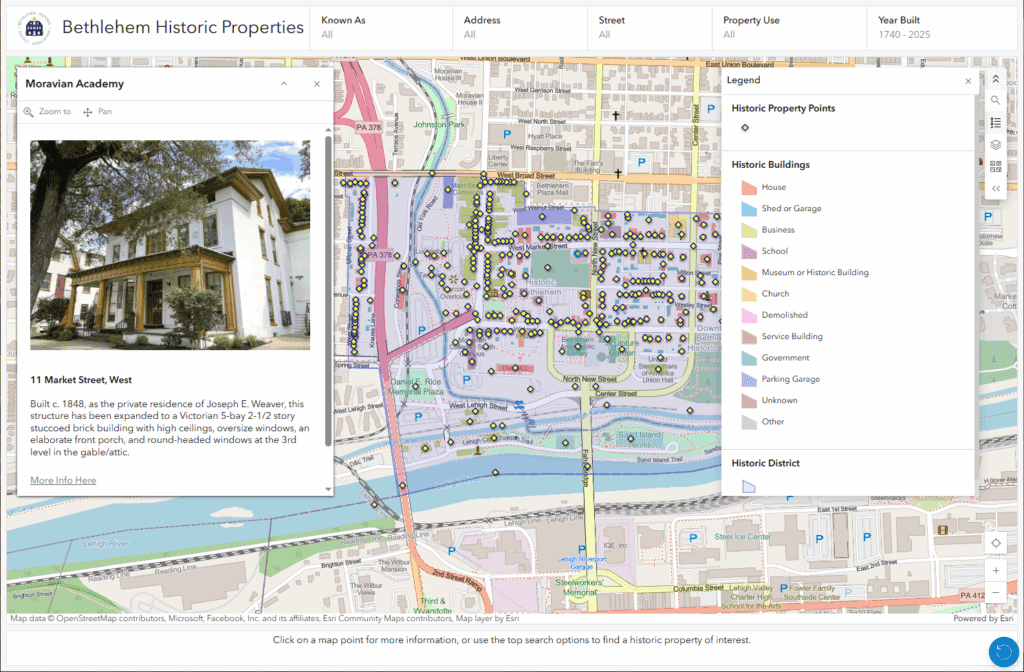
Founded in 1741, Historic Bethlehem invites exploration through its museums, cultural attractions, historic sites, and walkable streets. To make planning visits easier and to share the area’s rich architectural and cultural heritage, the new Bethlehem Historic District Explorer offers an interactive online experience for both locals and visitors. SymGEO was honored to collaborate with the Bethlehem Historic District Association (BHDA) on this project, building the web infrastructure and training local staff to contribute to this growing digital library.

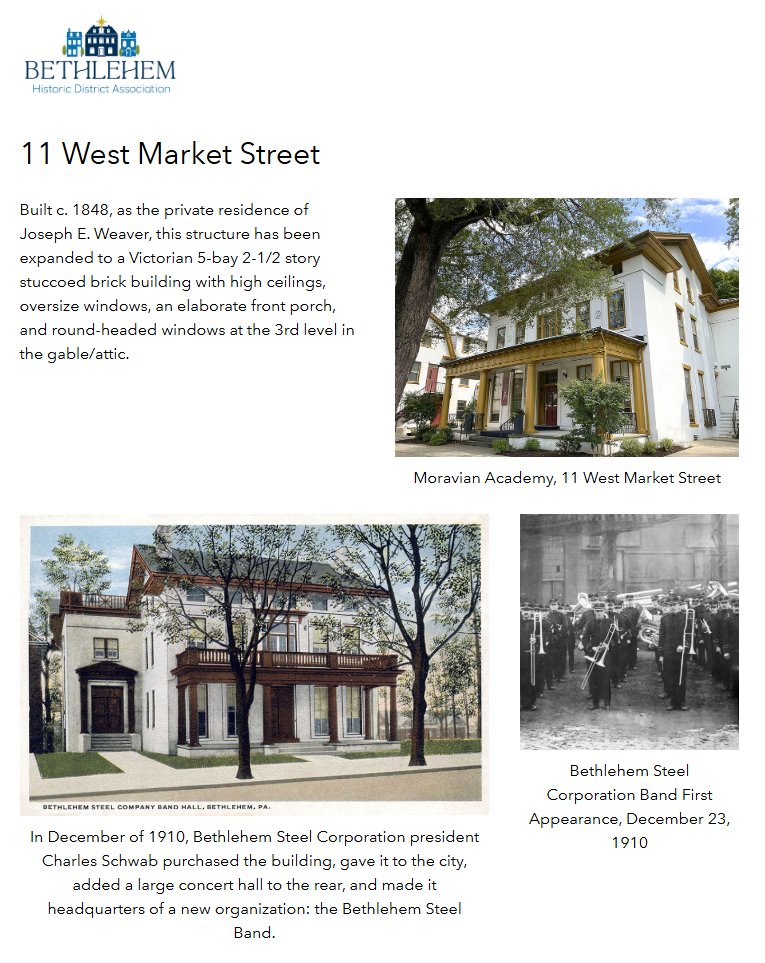
The project began with a high-resolution wall map of historic properties, an Excel database of property attributes, and a large collection of detailed property descriptions with accompanying digital photos. By georeferencing the map, extracting and geocoding address information, and batch-converting documentation into web-ready formats, the team created an inclusive, immersive spatial database. Originally built with ArcGIS Dashboards, the project soon expanded to include detailed property information hosted on dedicated ArcGIS Hub pages.

SymGEO also provided training and configured web-editing applications to enable BHDA staff to maintain and grow the digital resources. As a new member of the Esri Non-Profit Program partner, BHDA is quickly gaining proficiency with Esri technology and expanding its use of the interactive platform.

“SymGEO was an absolute pleasure to work with and provided timely solutions to complex challenges. The sophistication of the ArcGIS platform allowed us to achieve a product that exceeded our expectations and will enhance the user experience. We anticipate that the Bethlehem Historic District Explorer will allow residents and visitors alike to fully appreciate the history and architecture of our unique community.”

– Bethlehem Historic District Association

Talk to SymGEO today if your organization would like to feature projects or sites using the power of Esri’s ArcGIS Online platform – we are certified experts and here to help.
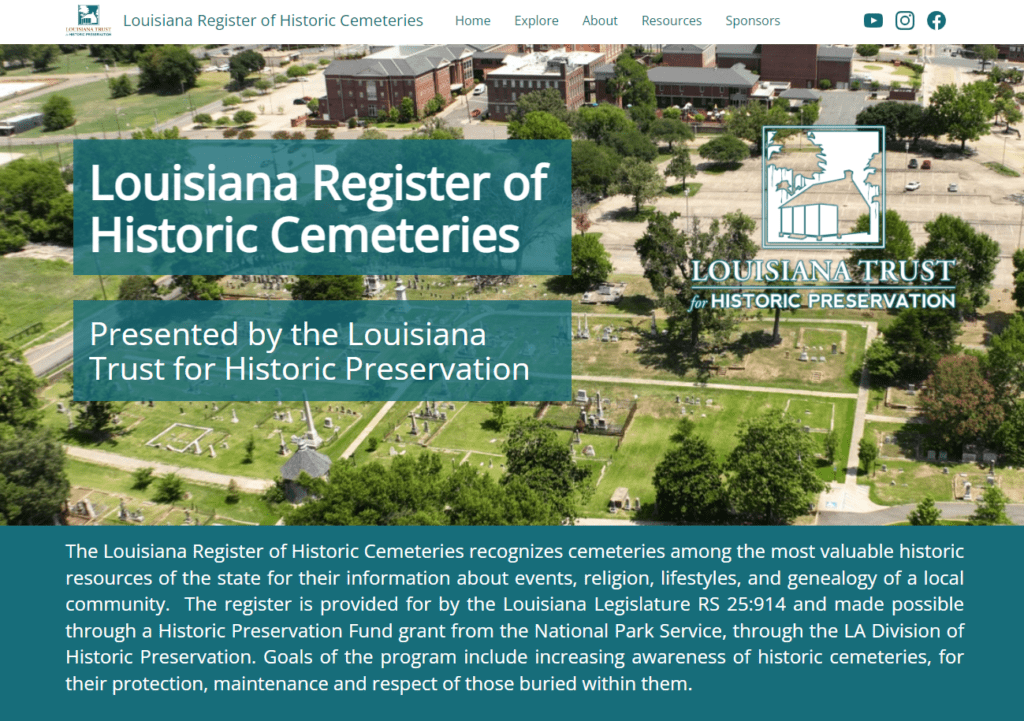
Louisiana Register of Historic Cemeteries

The Louisiana Register of Historic Cemeteries recognizes cemeteries among the most valuable historic resources of Louisiana for their information about events, religion, lifestyles, and genealogy of a local community. Recently brought to life by a Historic Preservation Fund grant awarded to the Louisiana Trust for Historic Preservation (LTHP) from the National Park Service, the goals of the program include increasing awareness of historic cemeteries, for their protection, maintenance and respect of those buried within them. As part of this important effort, SymGEO was honored to partner with LTHP to build the web infrastructure to house the historic cemetery data and enable stakeholders to contribute to this growing, interactive library.

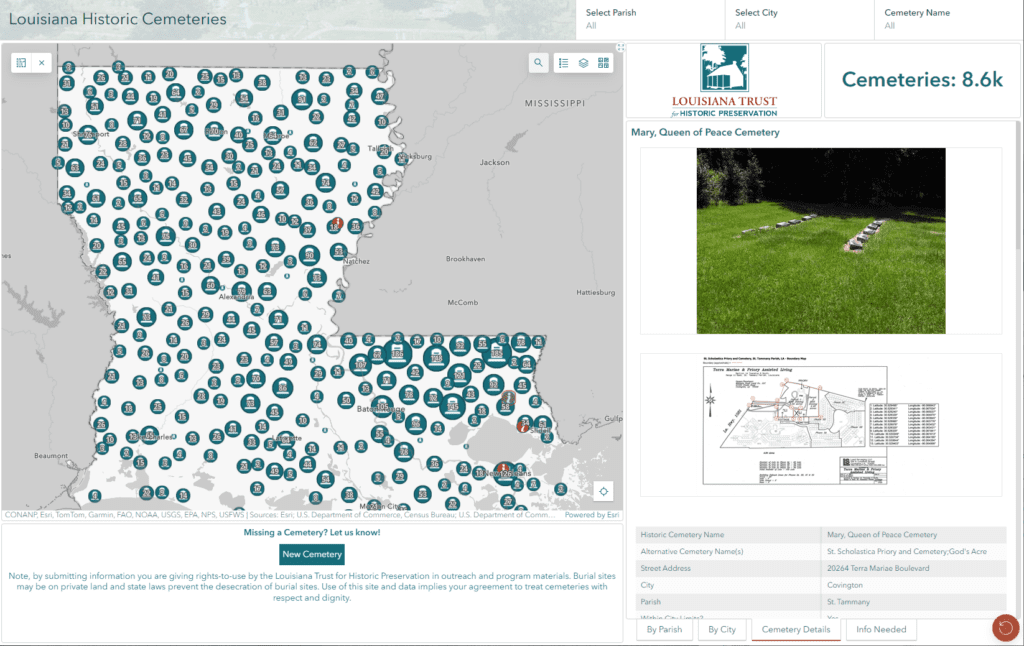
Built using ArcGIS Hub technology, the site features an interactive Historic Cemetery Dashboard that tracks all known historic cemeteries in Louisiana. Clicking on a cemetery icon will give basic information about the site, while cemeteries with detailed information and site pictures are differentiated by symbology.

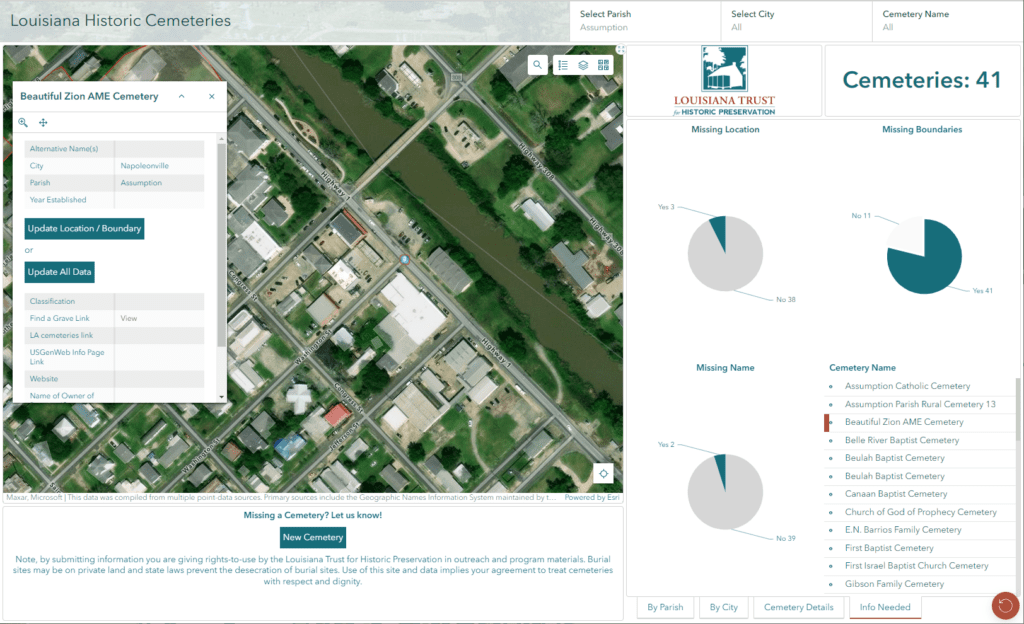
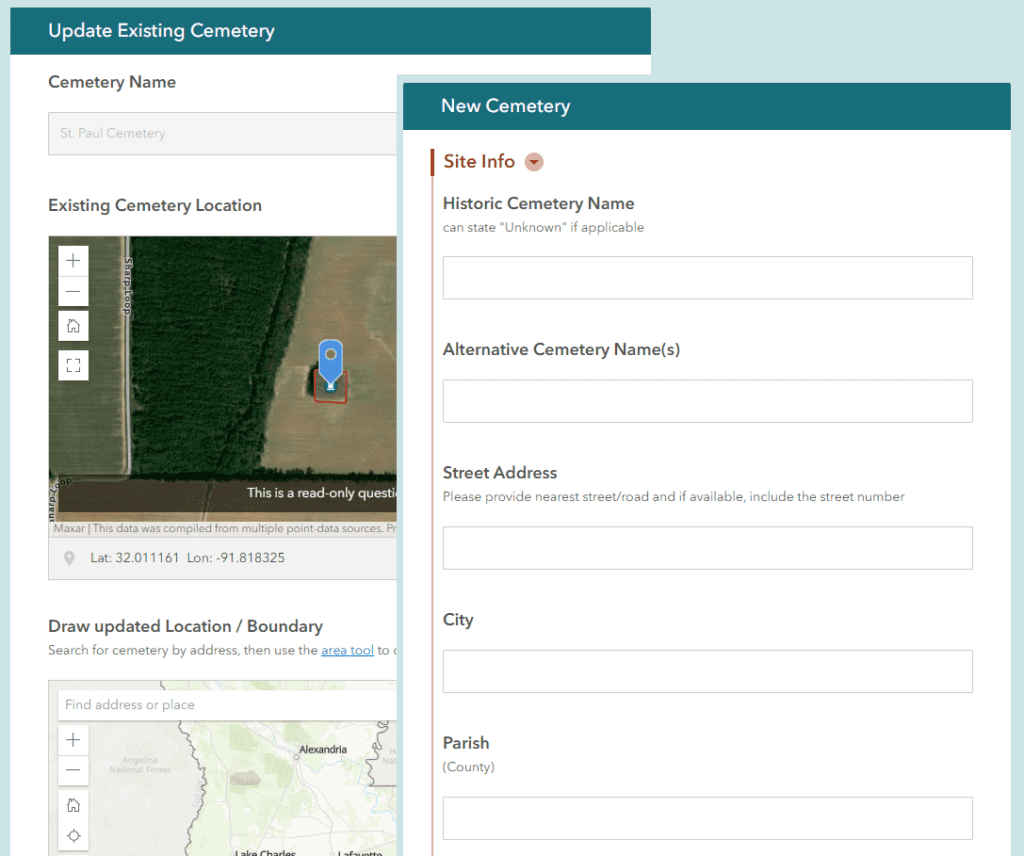
An innovative twist in the Dashboard is presented by the “Info Needed” tab, where users can see which cemeteries are missing names, locations, or boundaries. If they are familiar with a cemetery on the list (filtered by parish or city), they are presented with the option of updating either the basic geographic cemetery information, or completing a more detailed information form, including picture upload options.

Built using ArcGIS Survey123, the forms include step logic to allow data updates or new cemetery information to be easily added to the growing collection of historic knowledge.

“The first step in protecting and respecting historic burials is to be aware of their location. By crowdsourcing this data beyond our initial research, we are able to learn about historic cemeteries in remote locations which may not appear on topographic maps or have even been used in over a century. The program will benefit descendants; industries such as tourism, real estate and construction; and should foster increased protection and maintenance at cemeteries.”

– Executive Director, Louisiana Trust for Historic Preservation

Talk to SymGEO today if your organization would like to feature projects or sites using the power of Esri’s ArcGIS Online platform – we are certified experts and here to help.
National Forest Foundation: Wildfire Modeling

The National Forest Foundation (NFF) was chartered by Congress and created with a simple mission: bring people together to restore and enhance our National Forests and Grasslands. Part of this nonprofit mission includes planning for wildfires and mitigating their impact by understanding fire behavior across a landscape. SymGEO was honored to partner with the NFF to explore wildfire modeling approaches and analytical results by combining GIS data processing with the Interagency Fuel Treatment Decision Support System (IFTDSS). The results of this project will help inform internal planning efforts and future studies.

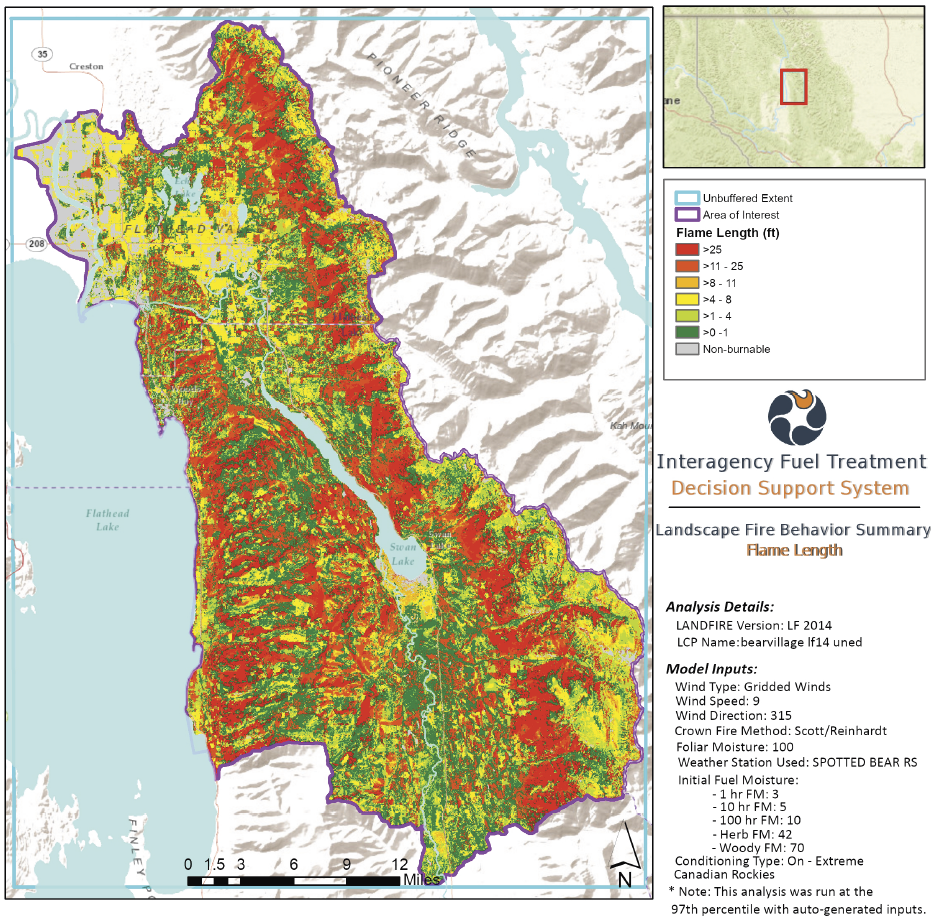
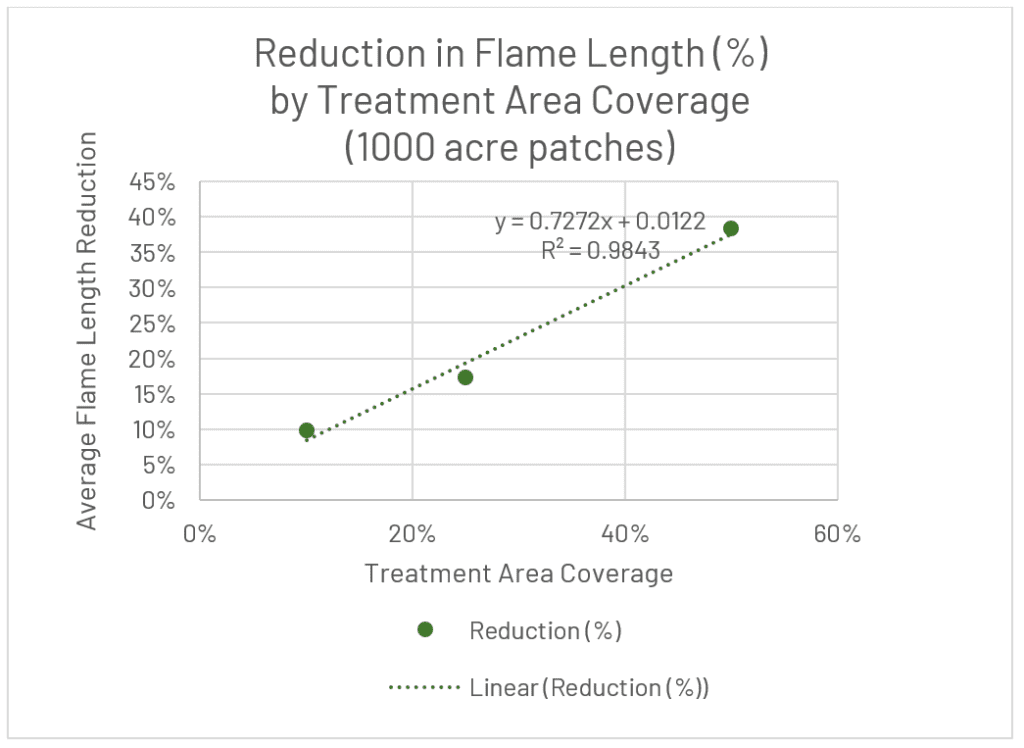
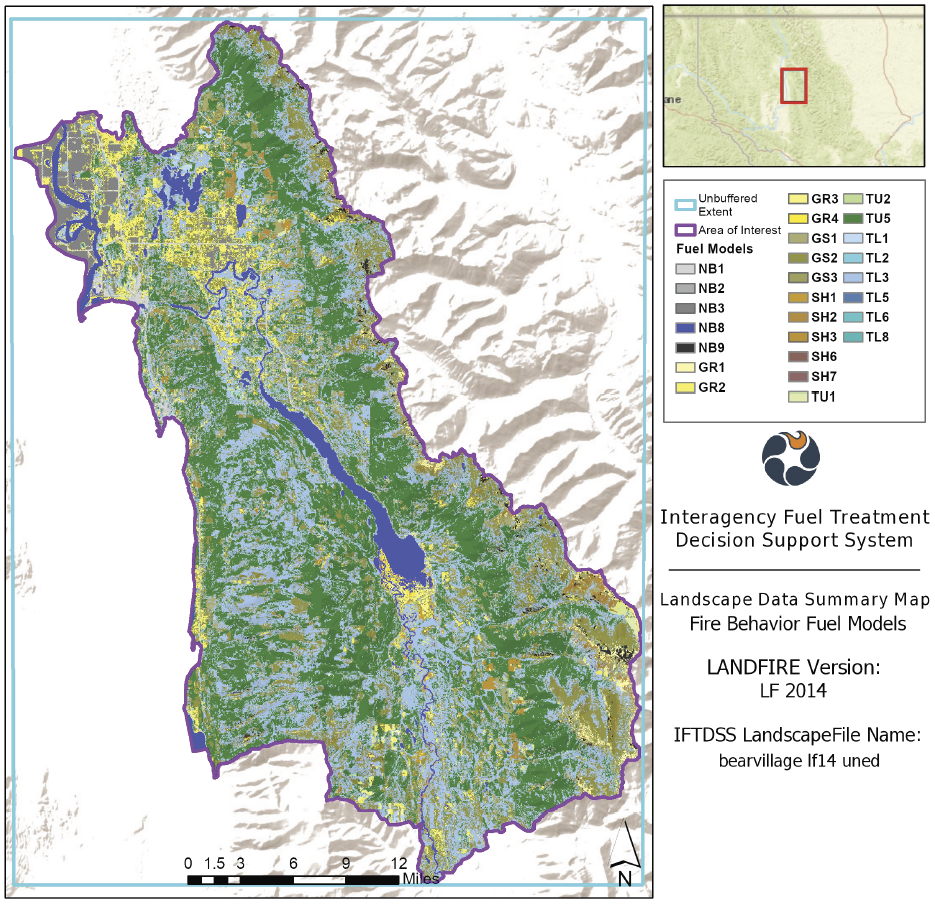
The project area was located in Flathead National Forest, Montana, and was approximately 250,000 acres in size. Extensive modeling was performed using IFTDSS to determine how effective different landscape treatments were at varying treatment patch area sizes and total coverage amounts. Conceptually, treating fewer large patches would be more effective than treating a greater number of small patches distributed across the landscape (based on wildfire behavior). However, determining the level of effectiveness required landscape modeling and statistical analysis. Similarly, other relationships were explored, such as what is the relationship between the total treatment area and treatment effectiveness? Does a 10% coverage result in a 10% decrease in modeled wildfire results? What happens at 50% coverage? Only one way to find out!

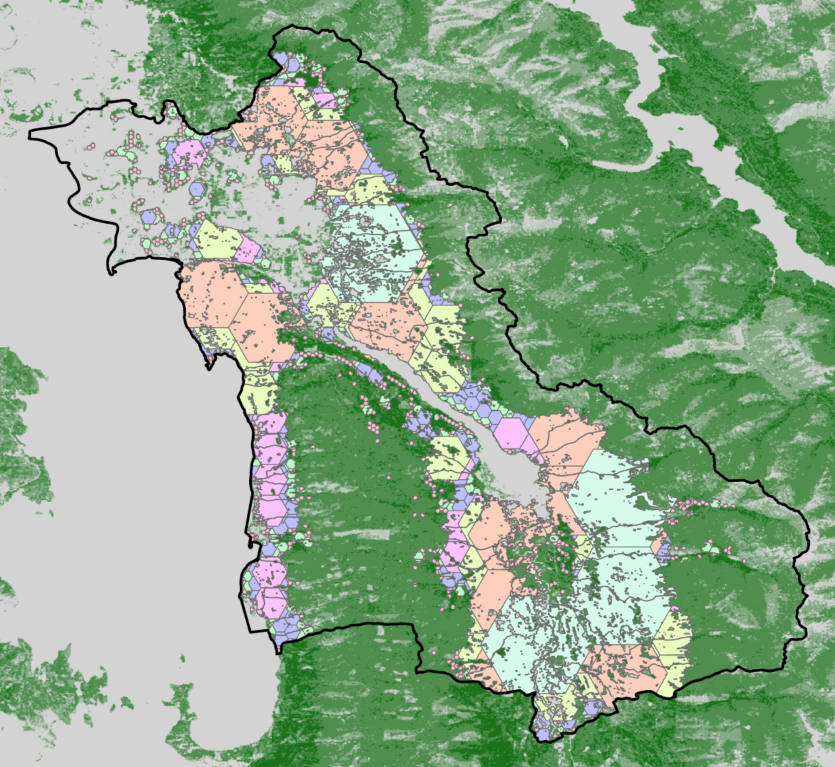
GIS processing using ArcGIS Pro was used to screen out areas that couldn’t be treated based on slope, canopy cover, distance to streams, fire return interval, and several other factors. Tessellated grids were then developed at scales ranging from 100-acre patches up to 5,000-acre patches and fit into the treatable areas.

Average flame length was measured for untreated base conditions and then used to measure the effectiveness of treatment options.

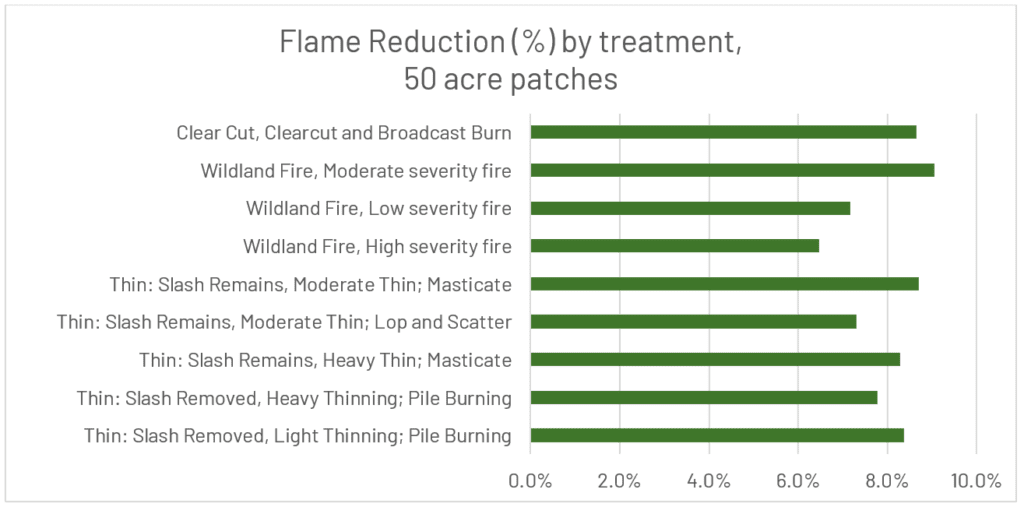
Initial results indicate that measurable differences were observed across treatment types, treatment patch sizes, and treatment total coverage areas.

“SymGEO provided expert guidance around the analytical approach to explore fire resiliency GIS modeling. The IFTDSS modeling they provided was appreciated along with the framework to help the National Forest Foundation continue this important endeavor. They are excellent to work with and highly engaged in the process.

– GIS Program Developer, National Forest Foundation

Talk to SymGEO today if your organization wants to explore data modeling processes and analytical results using ArcGIS Pro together – we are certified experts and here to help.
Preservation Society of Charleston Site Dashboards

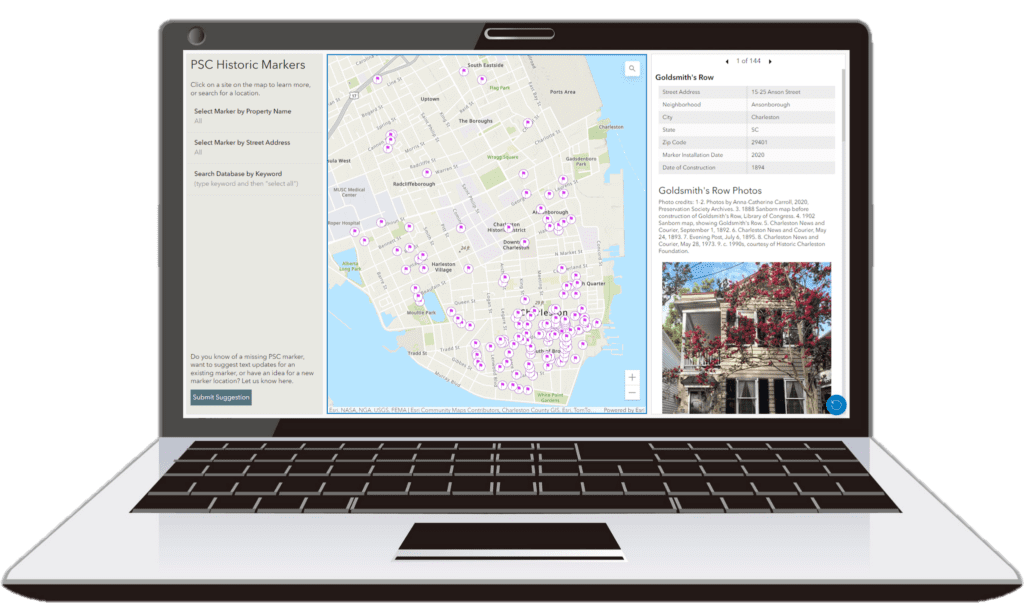
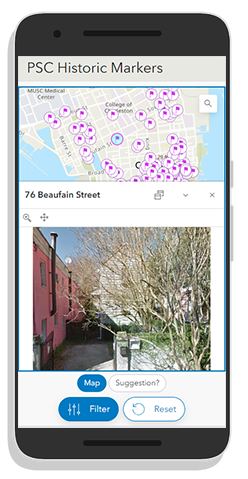
The Preservation Society of Charleston (PSC) is a nonprofit organization established in 1920, dedicated to the preservation and enjoyment of the distinct character, quality of life, and diverse neighborhoods in Charleston, South Carolina. To assist in these efforts, SymGEO partnered with PSC to build a pair of project dashboards to feature their Charleston Justice Journey (CJJ) and Historic Marker program sites. The dashboards were built using ArcGIS Dashboards technology and designed to be mobile responsive for information on the go.

The Charleston Justice Journey (CJJ) project was launched in 2019 to recognize sites significant to African American history and the ongoing journey toward racial equality in Charleston and the Lowcountry. This online research and mapping initiative is a growing resource for deepening our collective understanding of people, institutions, movements, and events that shaped the course of the region’s civil rights history. Through this project, PSC is partnering with the community to elevate the full narrative of Charleston’s history.

The Historic Marker program was established in 1959, with well over one hundred markers placed around the city so far. The PSC sought to create a digital database of markers, that would be a resource for Charlestonians and visitors alike, with baseline stats and photographs of the markers, properties, historical photographs, drawings, and other information related to associated historical figures and events. Using the PSC Historic Marker Database, members of the public can create their own walking tour, research from afar, and learn more about the city’s vibrant cultural and architectural history.

“SymGEO played a key role in helping us build both of these important digital platforms. After listening carefully to our goals and answering every one of our questions, they helped us create two distinct interactive platforms that are user-friendly, informative, and advance our mission to protect and make Charleston’s cultural and architectural fabric more accessible to all.”

– Preservation Coordinator, Preservation Society of Charleston

Talk to SymGEO today if your organization would like to feature projects or sites using the power of Esri’s ArcGIS Online platform – we are certified experts and here to help.
One Tree Planted Projects Site

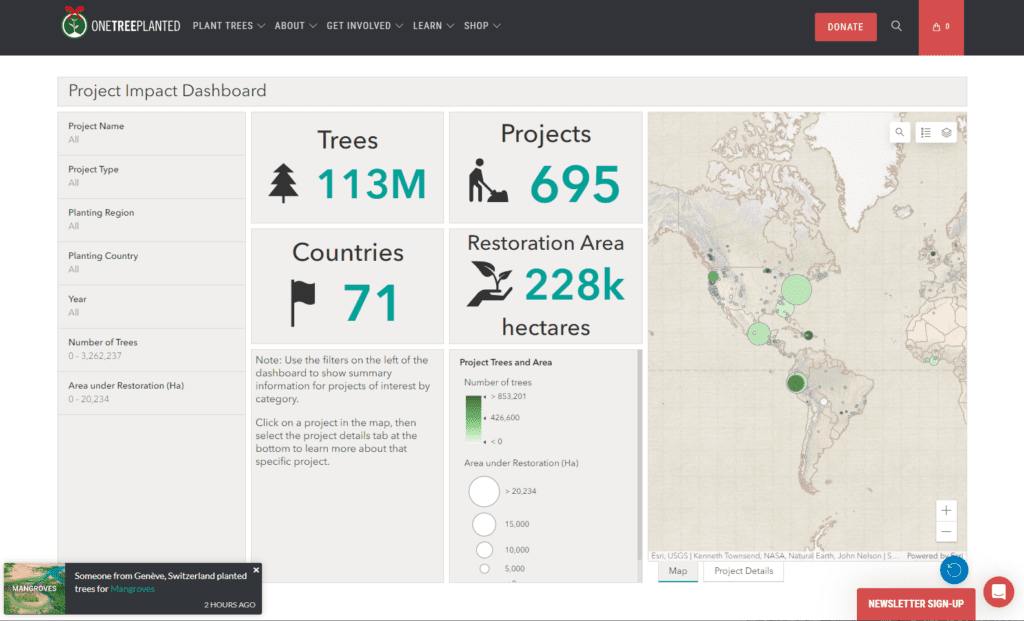
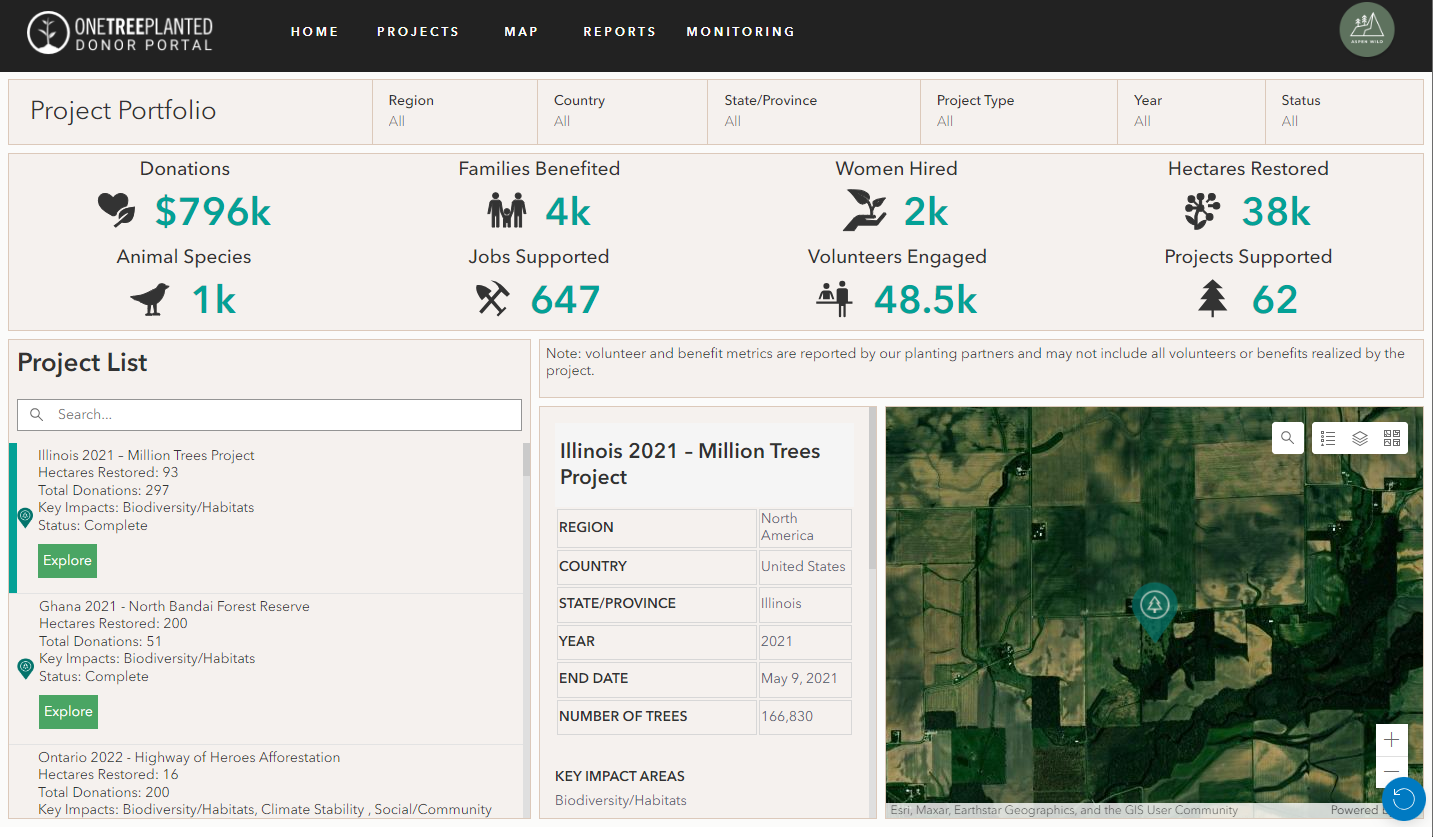
To complement our donor portal with One Tree Planted, SymGEO is pleased to announce a new project impact site experience that tracks the progress and positive environmental benefits of One Tree Planted nonprofit projects to date and features a data-driven dashboard using ArcGIS Dashboards. The dashboard has all current project metrics and locations that can be filtered by project type, status, location, or impact.

The site also features:

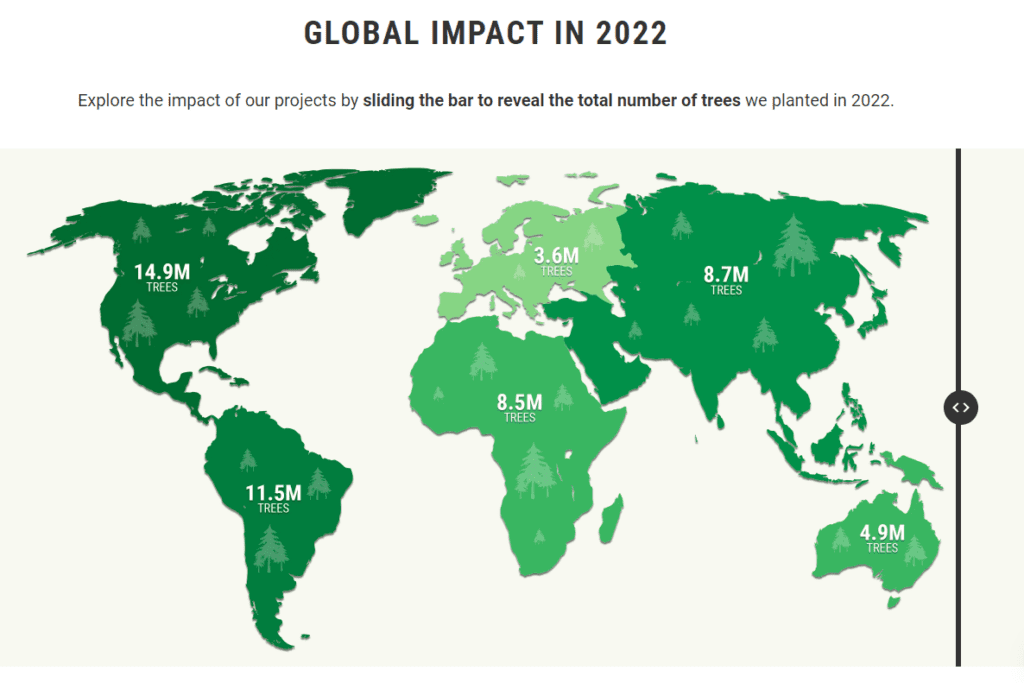
  • An interactive map that reveals the millions of trees planted around the world,

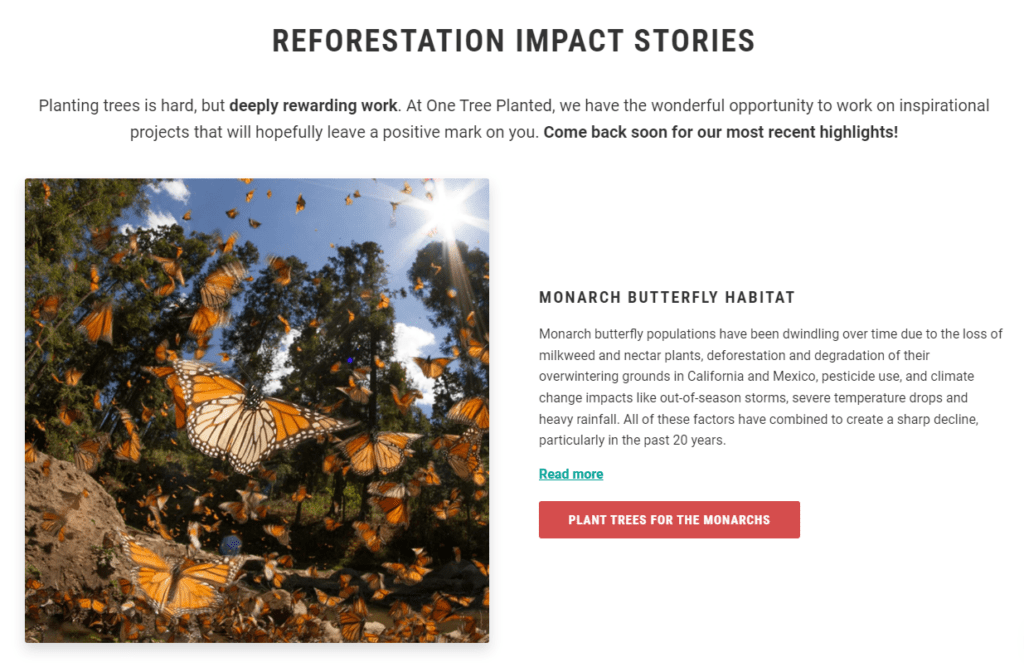
  • A deep dive into several project-specific stories showcasing the environmental benefits of planting trees,
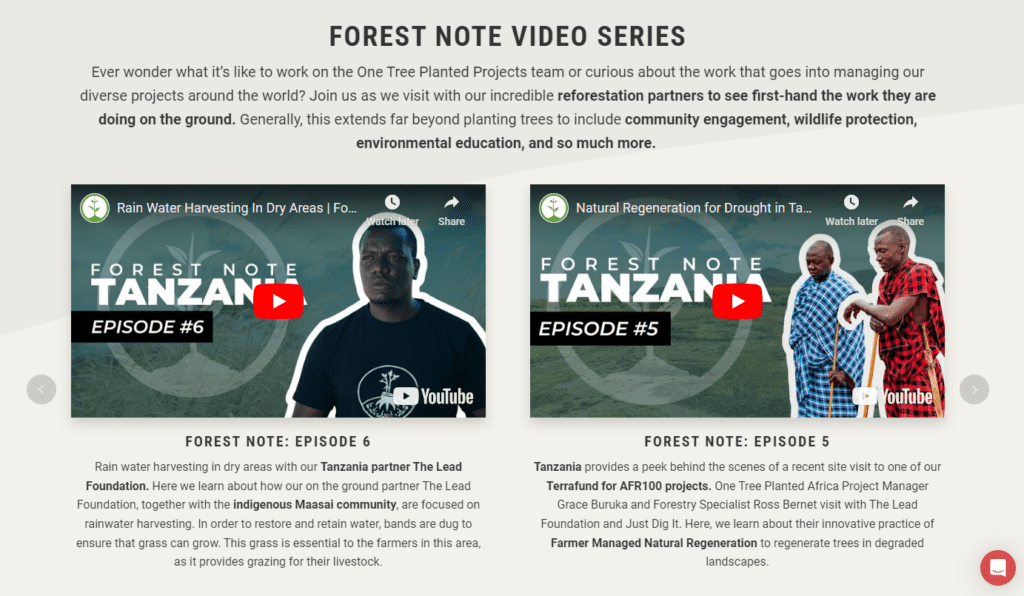
  • A Forest Note video series that shows all the dedicated, determined work that goes into successful tree planting projects.

“The impact portal of global reforestation projects provides users with an immersive experience to navigate and better understand the impact One Tree Planted is having around the globe. Through interactive maps and insightful data visualization, it empowers users to witness the collective impact of reforestation efforts, fostering a deeper connection with the worldwide initiative to restore and preserve our planet’s vital ecosystems.

– Geospatial Systems Manager, One Tree Planted

Talk to SymGEO today if your organization would like to feature projects or impacts using the power of Esri’s ArcGIS Online platform – we are certified experts and here to help.

Lincoln Institute of Land Policy Hubsite

The Lincoln Institute of Land Policy seeks to improve quality of life through the effective use, taxation, and stewardship of land. As a nonprofit private operating foundation whose origins date to 1946, the Lincoln Institute researches and recommends creative approaches to land as a solution to economic, social, and environmental challenges. Through education, training, publications, and events, they integrate theory and practice to inform public policy decisions worldwide.

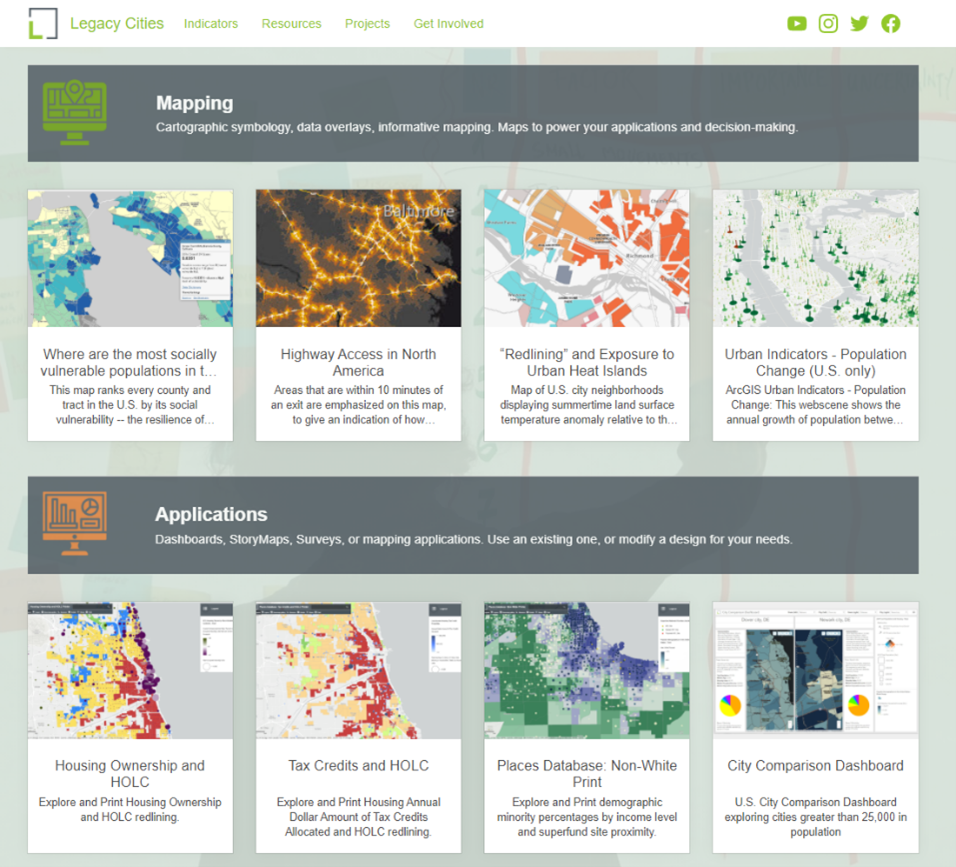
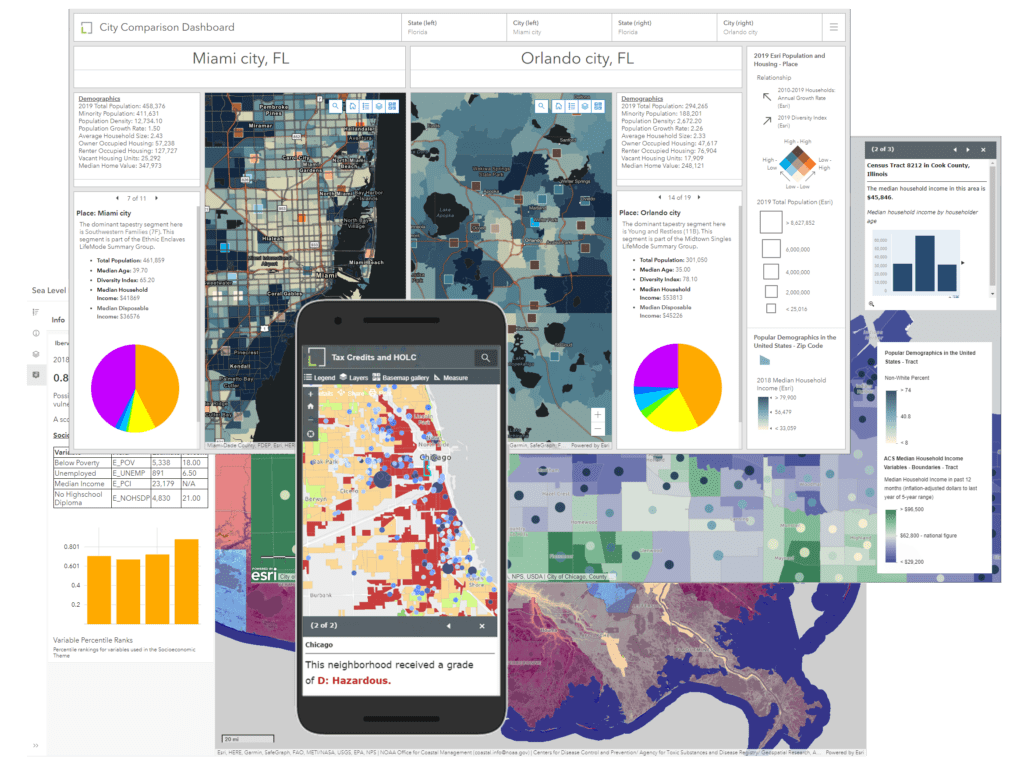
SymGEO partnered with the Lincoln Institute to build an internal, central ArcGIS Hub platform and support five of their Centers and Initiatives. This involved curating and displaying authoritative data layers detailing resource equity, population demographics, historic redlining information, land zoning information, and historic city spending and revenue information among others.

Configurable applications, including ArcGIS Dashboards and web applications, were built to facilitate the exploration of data and visualization of analytical results.


“SymGEO has the unique ability to distill content into compelling visual geospatial products and narratives that tell a story and help track impacts. They are very proactive, responsive, great communicators, and can spin up apps quickly as proof of concepts that help with design decision-making. It has been a great experience working with them collaboratively, and I highly recommend SymGEO as a geospatial solution expert.”

– Director, Partnerships and Strategy, Lincoln Institute of Land Policy

Talk to SymGEO today if your organization would like to build a central spatial data hub framework using the power of Esri’s ArcGIS Online platform – we are certified experts and here to help.
One Tree Planted Donor Portal

One Tree Planted wants to make it simple for anyone to help the environment by planting trees. By partnering with 680+ organizations across 80+ countries, they have restored forests, created habitats for biodiversity, and made a positive social impact around the world by planting over 100 Million trees! Learn more about the critical importance of their nonprofit mission in the following educational video.

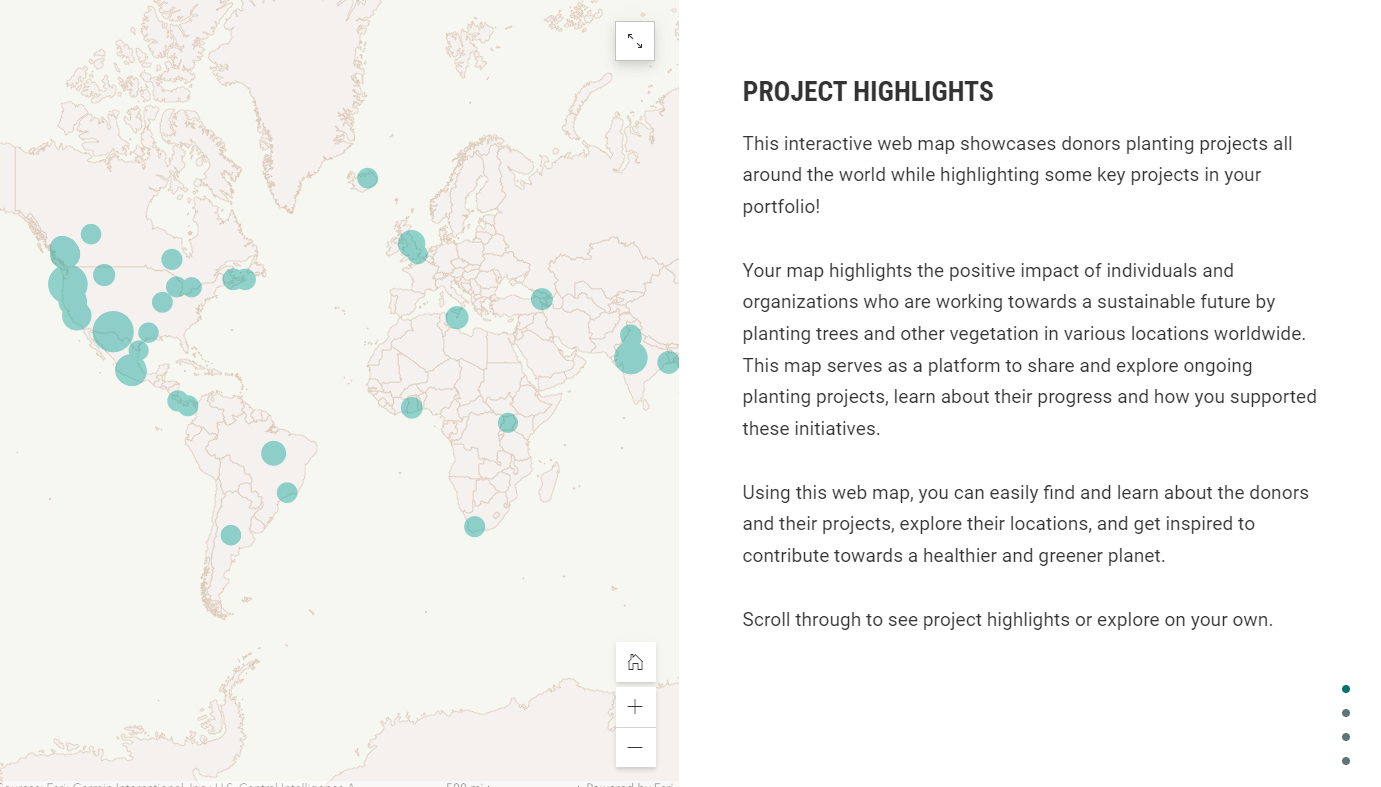
Keeping track of the positive impact of 680+ partners can be a daunting task. Fortunately, through a collaborative effort with SymGEO, One Tree Planted built an interactive Donor Portal prototype that helps communicate project-specific information to funding partners. The portal was designed so that each partner will have their own specific page, featuring just the projects that their funding helped to support. The donor portal was built using ArcGIS Experience Builder, and leverages Dashboards, StoryMaps, and embedded content to provide data transparency and inspiration.

Projects are geo-located to show the global breadth of a partner’s funding impact.

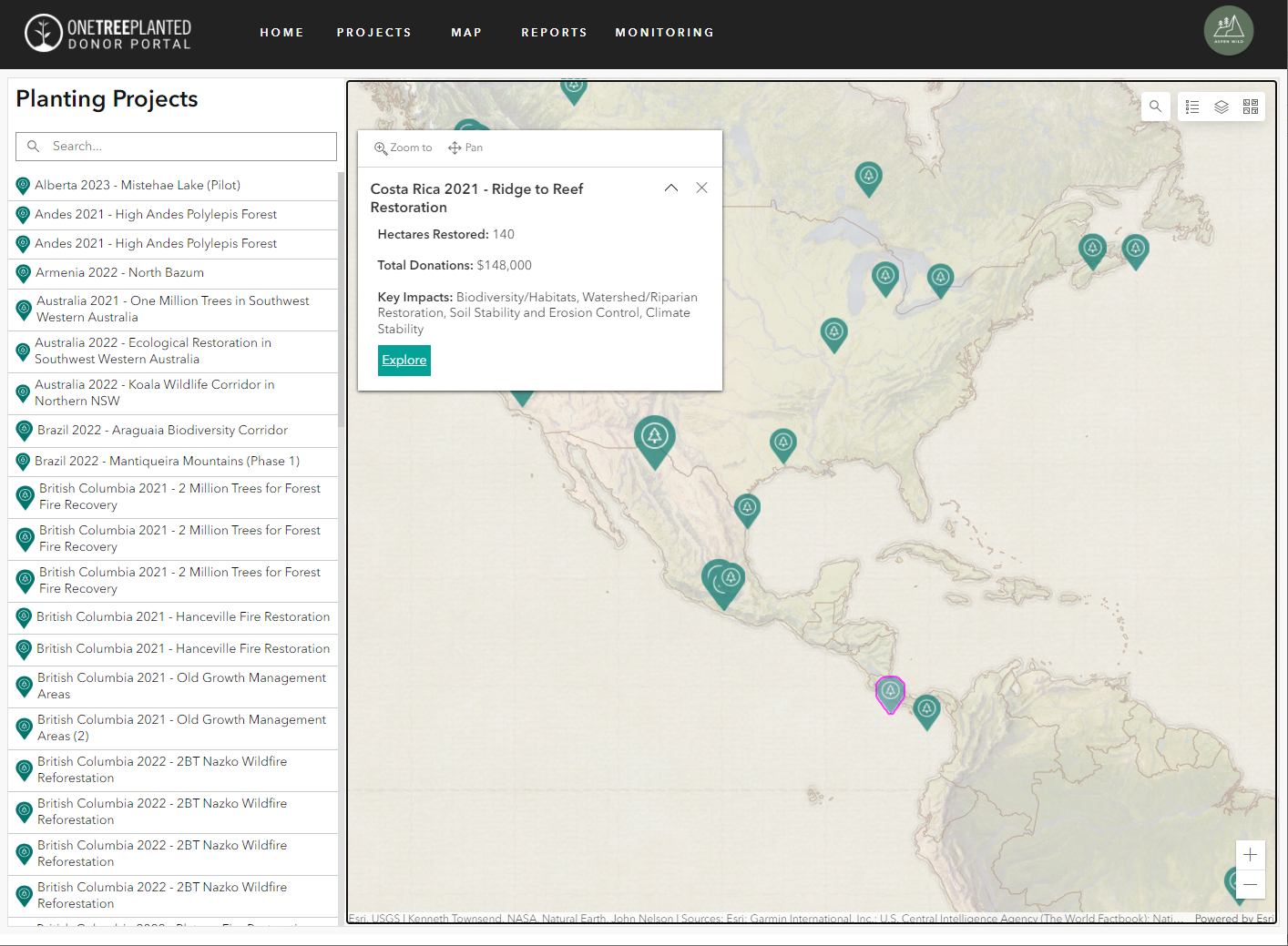
Project-specific information is presented upon selection with links to the detailed project report.

Projects are also displayed on a dedicated mapping page and can be searched by name or geography.

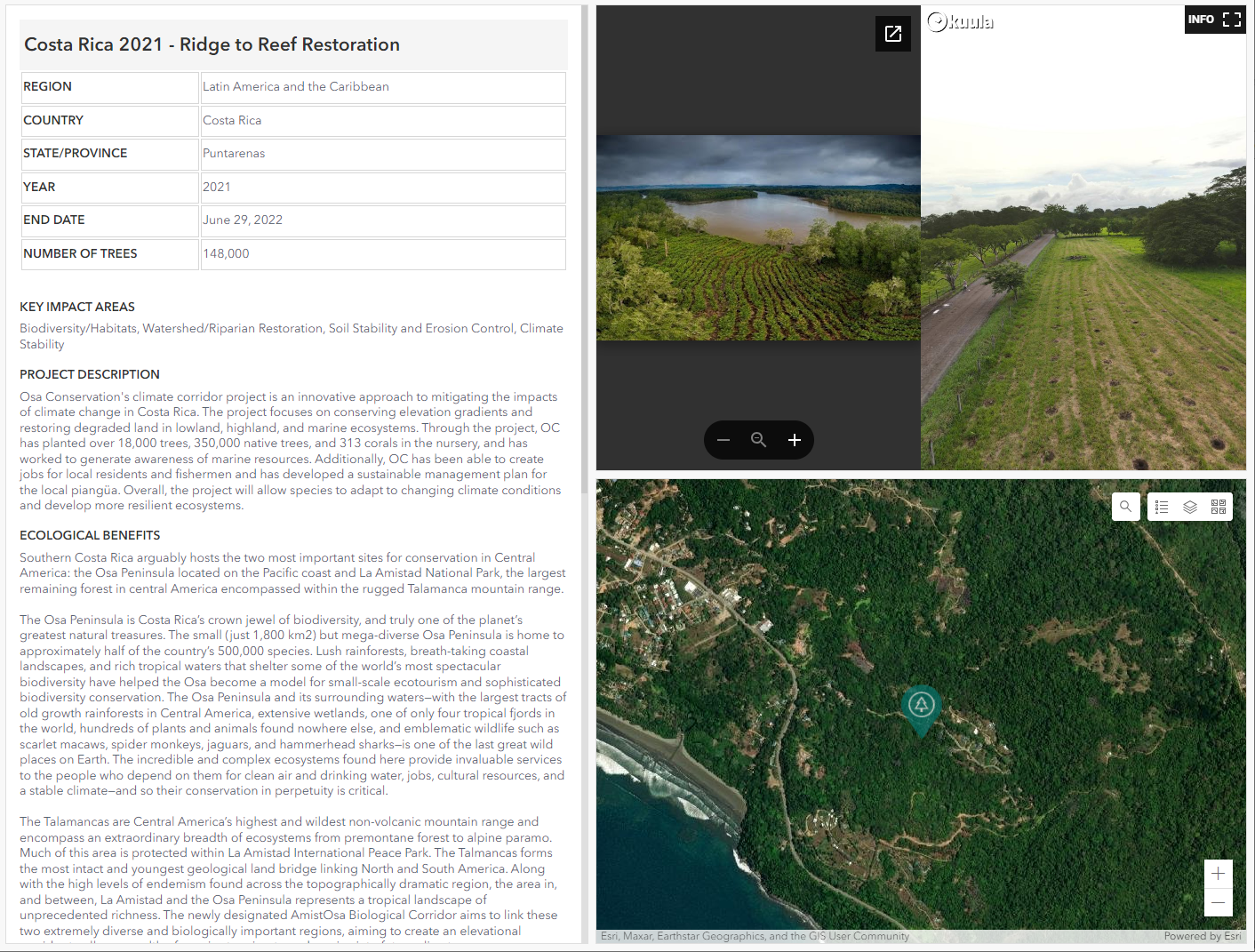
The map links to a detailed project dashboard with key information and a virtual fly-through of each planting site.

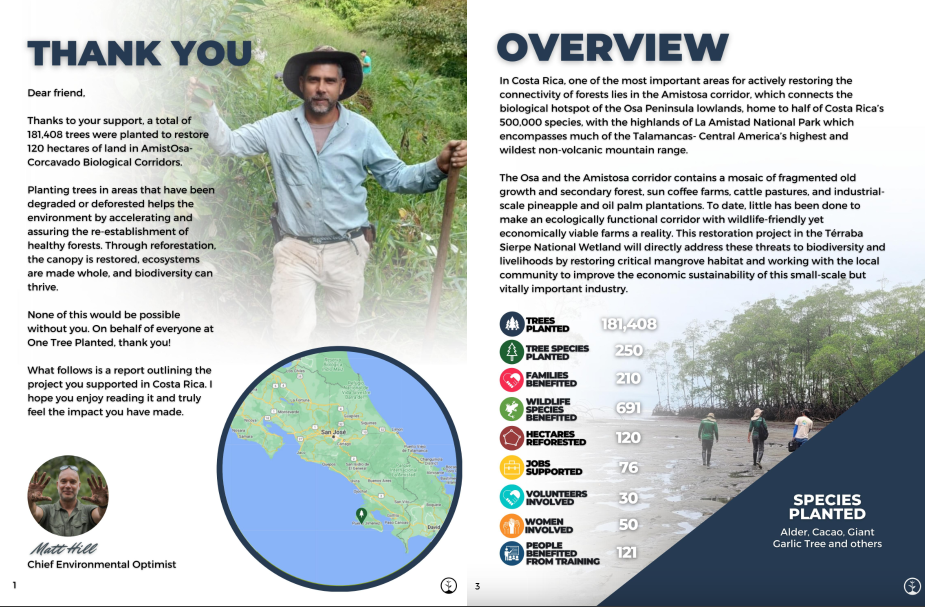
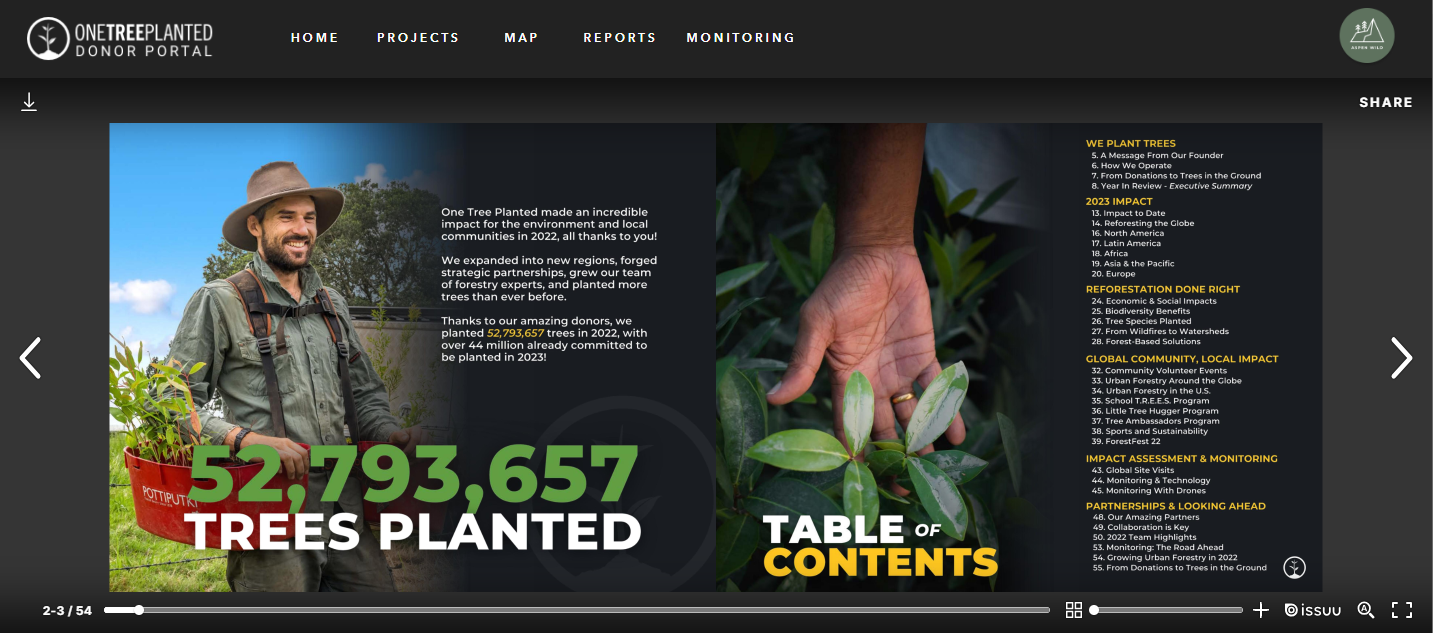
The report section of the portal links to the most recent planting report, highlighting key achievements of the year.

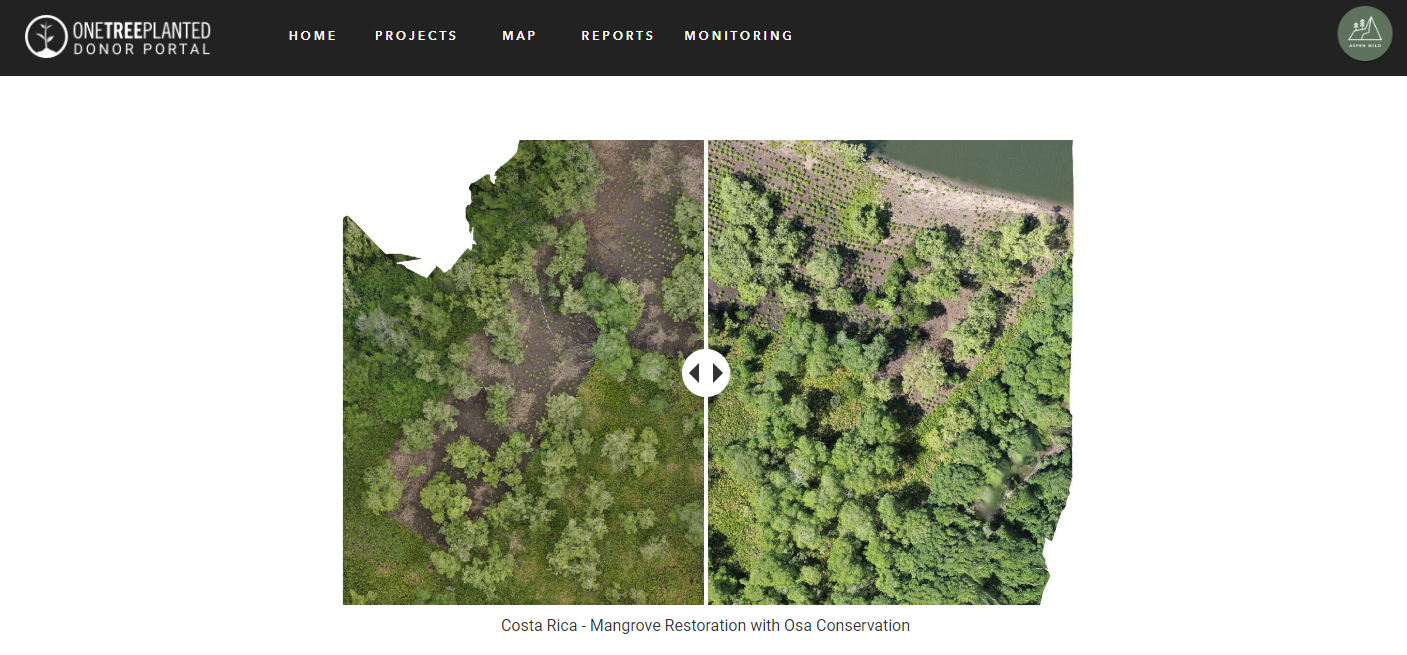
The monitoring section uses before and after imagery to convey the landscape scale impact of the planting projects and details the methods used to monitor and ensure planting success.

“The impact of the prototype on our donors was nothing short of astounding. Collaborating with SymGEO to craft a functional prototype during the feedback-gathering phase proved instrumental in cultivating a comprehensive catalog of requisites across all donors.”

– Geospatial Systems Manager, One Tree Planted

Talk to SymGEO today if your organization would like to feature projects or impacts using the power of Esri’s ArcGIS Online platform – we are certified experts and here to help.
APTA Industry Footprint Update

Public transportation is a $79 billion industry that employs 430,000 people and supports millions of private-sector jobs. As the public transportation industry advocacy leader, the American Public Transportation Association (APTA) is dependent on accurate, current data to help inform critical decisions of their nonprofit work. The newly updated Industry Footprint is designed to collect, analyze, and present key statistics at national, state, and local levels. This application, produced in collaboration with our development partners at GeoMarvel, provides insight into APTA membership, public transportation providers, transit service, manufacturing and supply chain, and congressional/legislative contact information.

Learn more about all the innovative platform enhancements in the APTA Industry Footprint Storymap.

“The SymGEO team worked on a tight schedule to deliver a series of impressive updates and fixes to our existing application, including a whole visual re-imagining. We are excited to work on even more innovations to the tool going forward together.”

– APTA Senior Director, Policy Development and Research

Would a custom mapping application like this be useful to your organization? Talk to our solution experts today about your unique GIS needs, the SymGEO team is here to help!

Capital Bikeshare Community Survey

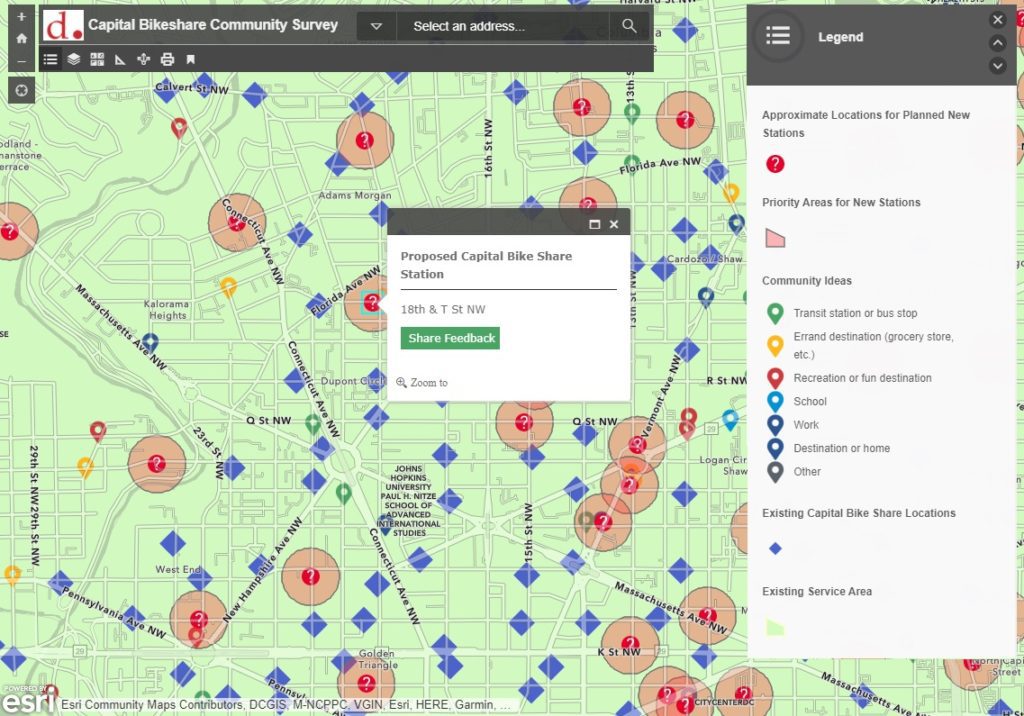
With 6000+ bikes covering 180+ square miles of the region, Capital Bikeshare is a great way to explore Metro DC and travel to and from various destination points. The network of 600+ bike stations is constantly expanding, and community feedback is an important part of deciding where to locate new stations. To facilitate the presentation of proposed locations to the general public and gather community feedback, SymGEO was honored to help build the Capital Bikeshare Station Request Tool using Esri’s ArcGIS Online technology. This work was featured in the Esri case study “GIS-Driven Initiatives Promote Active Transportation in Washington, DC“.

“The SymGEO team helped DDOT quickly implement a complex, public facing tool with a simple user interface to help us gather a high volume of public input data, which is extremely useful for Capital Bikeshare planning purposes.  Their knowledge of GIS and ESRI products helped make a challenging project with many stakeholders simple and quick to turn around.” 

– DDOT Project Manager

The tool leverages an ArcGIS web map and ArcGIS Web AppBuilder for the application as well as Survey123 for the gathering of comments on proposed bike stations, and it is hosted on ArcGIS Hub. Sharing feedback for a selected station opens a survey page for that station using URL parameters so that the comment is connected to the appropriate station.

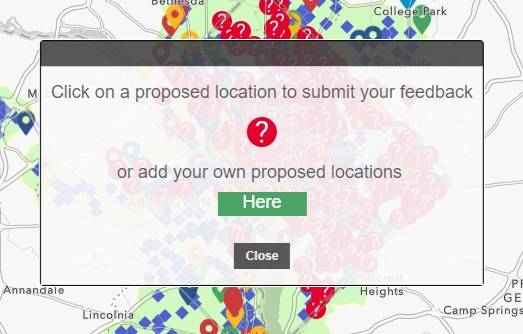
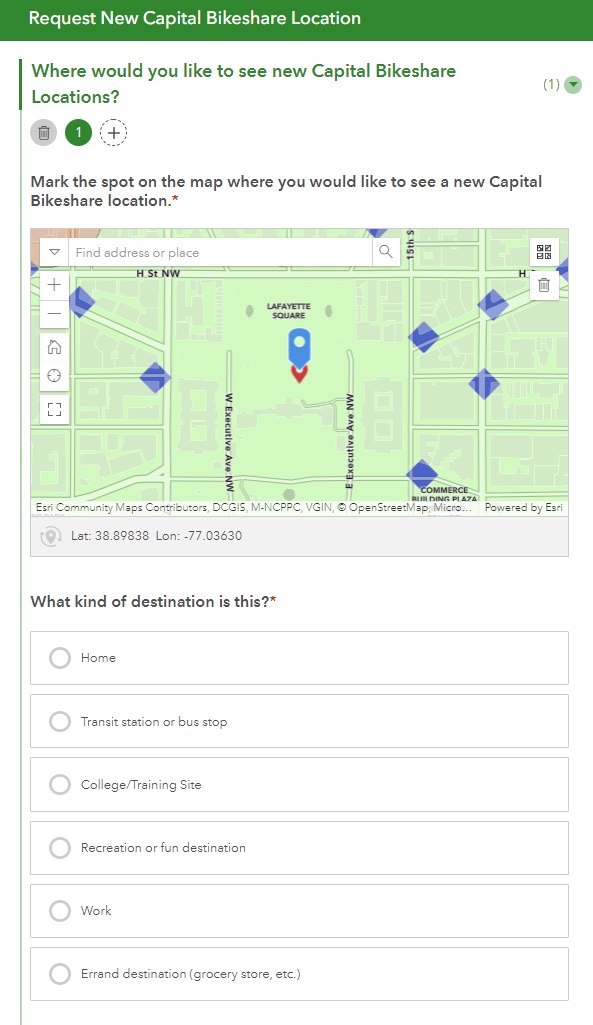
If a resident would like to suggest a location for a new site, an alternative survey is launched with additional data capture fields.

The Request New Capital Bikeshare Location survey was constructed using Survey123 Connect and offers the ability for a user to suggest multiple sites in the same submission.

“This is great stuff. Thanks again for pulling this together so quickly!”

– DDOT GIS and Applications Manager

Talk to SymGEO today if your agency or organization is interested in community engagement with the power of Esri’s ArcGIS Online platform – we are certified experts and here to help.